
How much is my classic worth?
- Rob Barrett
- Jan 10, 2024
- 2 min read
"I want to sell my car, how in the world do I know its value?
We get asked this question a few times a month. From collectors to neighbors looking to sell their classic car. Everyone is in a different situation in life. Some need the money for life, some want to buy their next toy, and some just want the money and garage space, but not really looking for top dollar. We decided we list some simple and more advanced ways to get your cars value. From a common street car to a Packard 1 of 2! Needs to be at least two, get it? Get it?

Valuing a classic car involves a combination of research, assessment, and sometimes professional appraisal. Here's a comprehensive guide on the best ways to value a classic car:
1. Research Comparable Sales:
- Look for similar classic cars that have been sold recently. Online auction platforms, classic car marketplaces, and sales records from reputable auctions can provide valuable insights into the recent market prices for comparable models.
2. Consult Price Guides:
- Utilize classic car valuation guides such as the Hagerty Price Guide, NADA Guides, or the Kelley Blue Book for classic cars. These resources provide estimated values based on factors like the vehicle's condition, rarity, and historical significance.
3. Consider Condition:
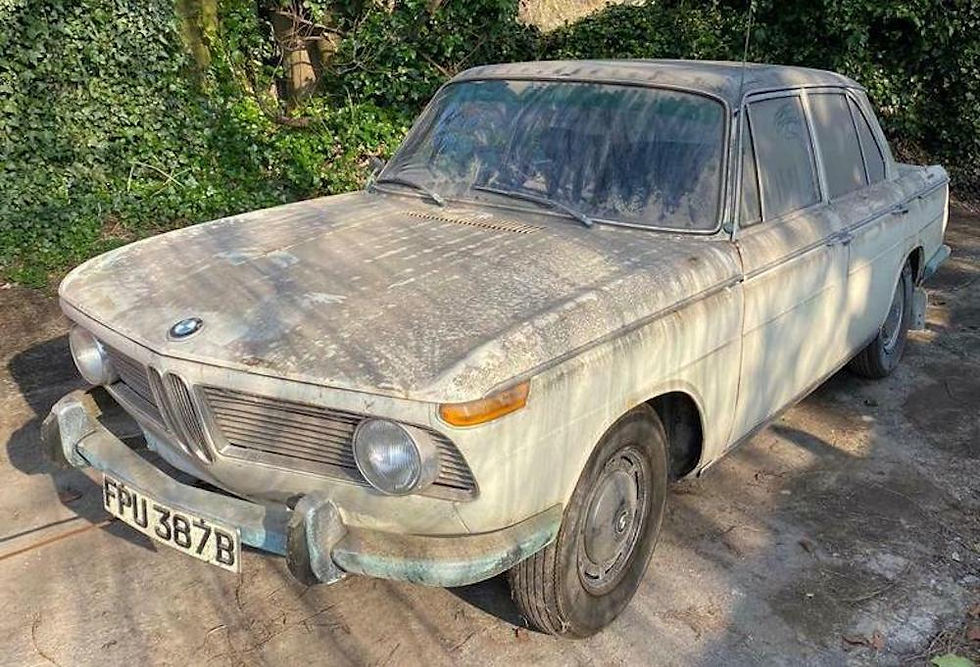
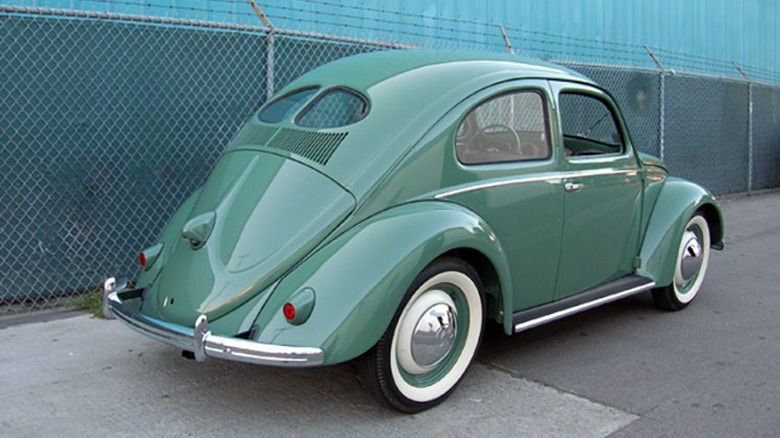
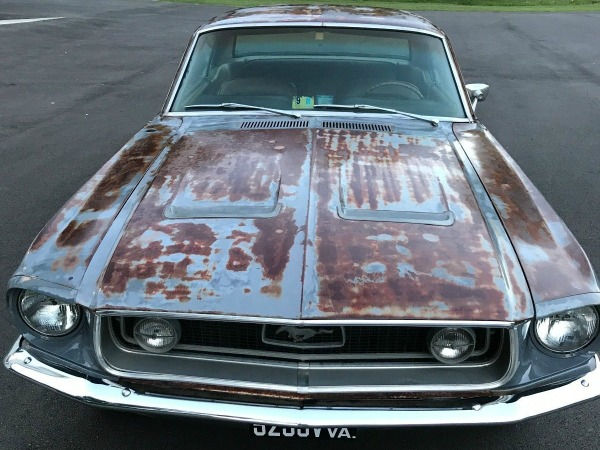
- The condition of the classic car plays a crucial role in determining its value. Assess the vehicle's overall condition, including its mechanical, cosmetic, and structural aspects. Classic cars are often classified into categories like "Concours" (showroom condition), "Excellent," "Good," and so on.
4. Seek Professional Appraisal:
- For a more accurate valuation, consider hiring a professional appraiser specializing in classic cars. Appraisers have expertise in assessing the condition and value of vintage vehicles. Their detailed reports can be valuable for insurance purposes or when selling a classic car.
5. Attend Classic Car Shows and Auctions:
- Attend classic car shows and auctions to observe firsthand the prices at which similar vehicles are sold. Talking to fellow enthusiasts, collectors, and sellers can provide additional insights into the market trends and the perceived value of certain models.
6. Document the History:
- A classic car's history, including its ownership records, maintenance documentation, and any unique features or modifications, can influence its value. Well-documented and well-preserved vehicles often command higher prices.
7. Consider Rarity and Desirability:
- The rarity and desirability of a classic car can significantly impact its value. Limited production runs, iconic models, or those with historical significance tend to have higher values. Understanding the historical context and significance of the vehicle can enhance its perceived worth.
8. Evaluate Authenticity:
- Verify the authenticity of the classic car, especially if it's a rare or sought-after model. Originality, matching numbers, and factory specifications can contribute positively to its value.
9. Factor in Restoration Costs:
- If the classic car has undergone restoration, consider the quality of the restoration work and factor in the costs associated with it. A well-documented and professionally restored vehicle can have a higher value.
Remember that classic car values can fluctuate based on market trends, economic conditions, and shifting collector preferences. Combining multiple valuation methods and staying informed about the classic car market will contribute to a more accurate assessment of a vintage vehicle's value.
Comments