
Most people think vintage cars are complicated, expensive, and constantly broken. They are not all...
- Rob Barrett
- Feb 19
- 3 min read
That idea keeps a lot of people from owning a car they would fully enjoy. The truth is simpler and far less dramatic.
Some vintage cars are actually very easy to own, easy to maintain, and very affordable to keep on the road. The key is choosing cars that were built simply, sold in large numbers, and supported for decades after production stopped. If You select a car that shares a water pump with 20 other car lines, you are likely able to get parts affordably. Enter the 60's mustangs, as an example, and we'll talk more about that below.

Here are a few vintage cars that consistently prove to be friendly owners, not fragile museum pieces.
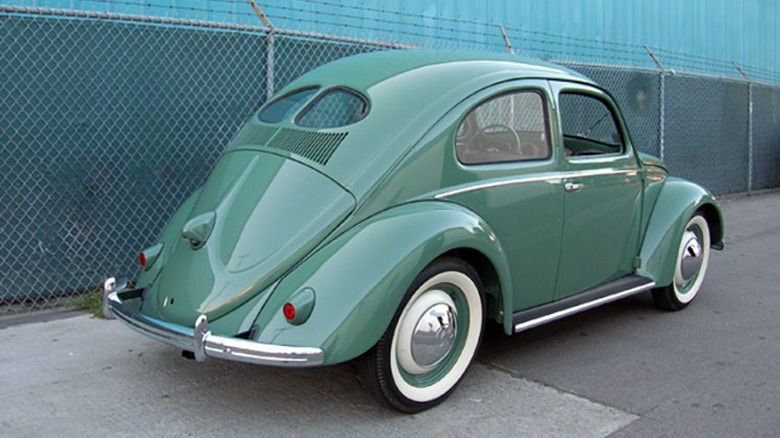
The classic Volkswagen Beetle is about as approachable as vintage ownership gets. The engine is simple, air-cooled, and easy to understand even for someone who is not mechanically inclined. Parts are abundant and inexpensive because millions were made, and there is still a massive aftermarket today. Many repairs can be done without special tools, and nearly every mechanic has worked on one at some point. It is slow, honest, and forgiving. That combination keeps ownership stress low and enjoyment high.
Early Porsche 911s from the late 1960s and early 1970s are often misunderstood. While not cheap to buy anymore, they are mechanically straightforward for what they are. The air-cooled engines are robust when maintained properly, and parts availability is excellent thanks to strong aftermarket and factory support. These cars were engineered to be driven hard and serviced regularly, not babied. When maintained correctly, they are predictable and durable rather than fragile.
The Mercedes Benz W123 series from the late 1970s and early 1980s is one of the most overbuilt cars ever produced. These cars were designed to last hundreds of thousands of miles, and many still do. The engines are understressed, the systems are logical, and parts remain widely available. Maintenance tends to be boring in the best possible way. Routine service keeps them running, and surprises are rare. For someone who values reliability over flash, they are a quiet win.
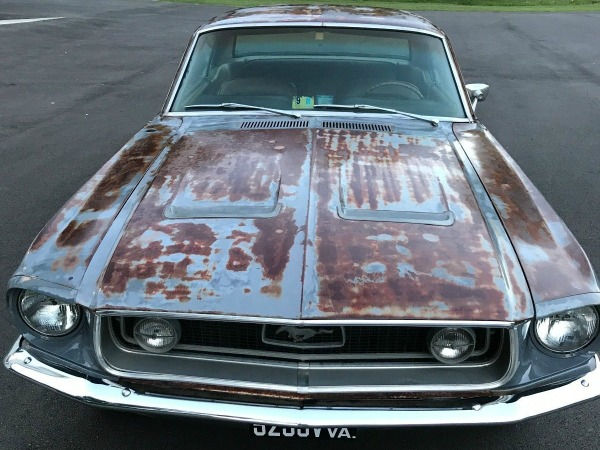
The early Ford Mustang, especially six cylinder models from the mid to late 1960s, is another easy entry point. Parts are everywhere, costs are low, and almost every shop in the country knows how to work on them. These cars are simple, well-documented, and supported by one of the strongest classic car ecosystems in existence. You can fix nearly anything without reinventing the wheel.
The common thread across all of these cars is not brand or country of origin. It is simplicity, volume, and parts availability. Cars that were sold in large numbers tend to be easier to own decades later. Cars that rely on mechanical systems instead of complex electronics age more gracefully. Cars with active clubs and blogs for sharing questions and ideas, help a lot...
NEWSFLASH.. SKIP ALL TRIUMPHS, unless you hate money and LOVE British cars. I love them, and love money, and have had 4. What does that tell you?
Vintage car ownership does not have to be a full-time hobby or a financial gamble. When chosen wisely, it can be calming, enjoyable, and surprisingly practical. The best vintage cars are not the loudest or rarest. They are the ones that were built to be used and still want to be driven today.
Comments