
The Car I’d Restore If I Actually Wanted to Make Money
- Rob Barrett
- Feb 11
- 2 min read

If I were going to bet on a car restoration project purely from a money perspective, not old school, not ego, not horsepower bragging rights, I wouldn’t touch a monster V8.
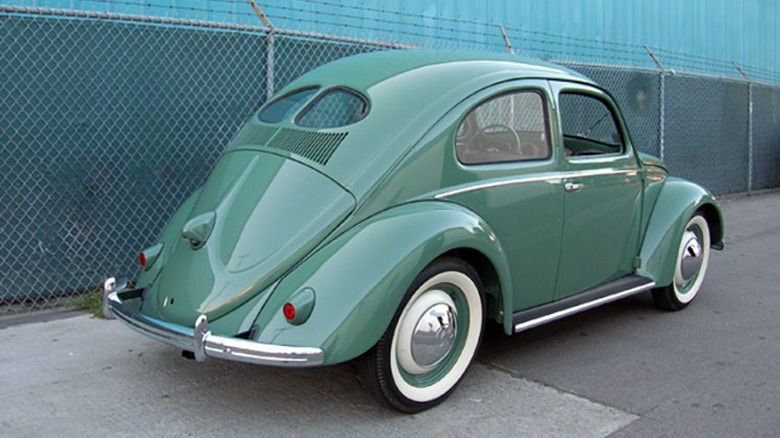
I’d put my money on a pre 1970 VW Beetle.
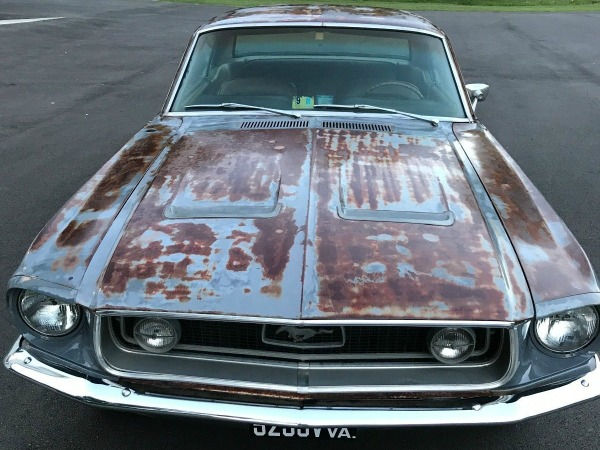
And I say that as someone who loves old muscle cars, I have one. This isn’t about what sounds the best at a stoplight. It’s about where value is moving.
The Beetle checks boxes that most people overlook because they’re still stuck thinking like Gen X collectors. Big engines. Big noise. Big money. Big headaches. Large Garages, don't ever forget that.
The next generation of automotive lovers is wired differently.
They want something they can understand. Something they can work on themselves. Something mechanical enough to feel real but simple enough to not require a second mortgage or a specialist on speed dial.
A pre 1970 Beetle is almost perfect in that regard.
It’s mechanically honest. Air cooled. Minimal electronics. You can see what’s happening. You can touch it. You can learn it. That matters more than people think.
You don’t need a lift the size of a garage or a crate engine that costs more than the car. Parts are available. Knowledge is everywhere. The community is welcoming instead of competitive.
That accessibility is a big deal.
The future car enthusiast isn’t trying to recreate the 1960s drag strip. They’re trying to connect to something tangible in a world that keeps getting more digital and abstract.
Smaller cars fit that moment.
They also fit modern realities. Space. Money. Time. A Beetle fits in a one car garage. It fits into a budget. It fits into a life that doesn’t revolve entirely around the project.
And here’s the part most people miss.
Cultural relevance drives value just as much as rarity.
The Beetle has a global story. It’s design first. It’s friendly. It shows up in art, fashion, film, and memory across generations. That makes it legible to younger buyers who didn’t grow up idolizing displacement numbers.
When Gen X collectors age out of chasing big block V8s, those cars won’t disappear. But demand will soften. They’re expensive to restore. Expensive to maintain. Expensive to store. Expensive to explain.
A Beetle doesn’t need explaining.
It just works.
Values don’t jump overnight. They creep. And the creep happens when more people can actually build them. The Beetle’s ceiling may not look as dramatic as a rare muscle car, but its floor keeps rising because entry stays achievable.
That’s the kind of asset I like.
Simple. Understandable.
The irony is that the cars that feel the least impressive on paper often become the most loved over time. And love is what sustains value long after trends move on.
If I were restoring for joy, I’d still choose the Beetle.
If I were restoring for money, I’d choose it even faster.
Sometimes the smartest bet isn’t the loudest one. It’s the one that quietly fits the future.
Comments