
Why 1974 and Older Cars Aren’t the Market Kings Anymore and How Smart Collectors Should Evaluate Value in 2025 and Beyond
- Rob Barrett
- Dec 14, 2025
- 4 min read
For decades, pre-1974 cars were the backbone of the collector world. Muscle cars, chrome-heavy cruisers, classics that defined the childhood of Boomers and early Gen X. But the market is shifting fast. The people that grew up idolizing those pre ’74 machines are aging out of the buying stage, and with fewer passionate collectors entering that market, prices are flattening or even declining for all but the rarest, most historically important models. Meanwhile, younger collectors, Millennials, older Gen Z, and even Gen Alpha’s future enthusiasts are pouring money into smaller, lighter, more relatable vehicles from the 1980s through the 1990s, the cars they saw in magazines, posters, video games, and early tuner culture.
But markets evolve. Generations age. Tastes shift.And now, for the first time in modern collector history, the balance is tipping not slowly, but dramatically.
The truth is simple, the next wave of collectors does not want the same cars their parents and grandparents chased.

That’s not bad news. It’s just reality. And if you understand it, there’s an enormous opportunity.
Below is a deeper look at where value is going, how to assess real long-term potential, and how modern buyer psychology is reshaping the entire collector landscape.
1. The Only Pre-1974 Cars That Will Truly Hold or Increase Value
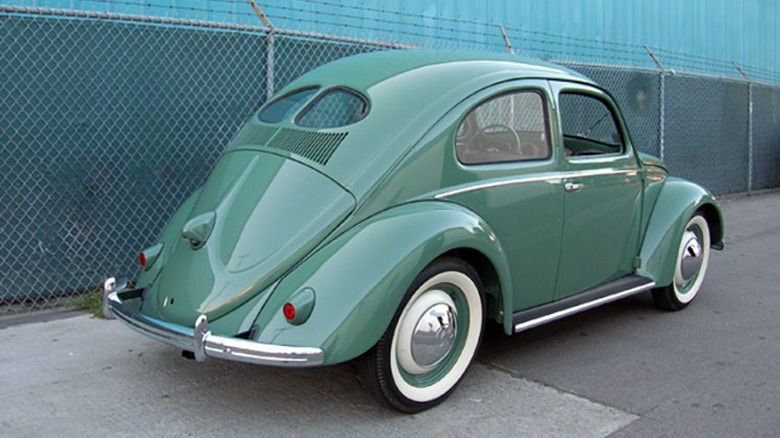
Not all classics are created equal.In fact, most pre-’74 cars will not continue to rise in value, especially those without rarity, documentation, or cultural significance. As the generation who idolized these cars begins downsizing, selling collections, and aging out of the market, demand naturally softens.
But a very specific subset of pre-’74 cars still carries strong long-term value:
• Provenance Cars documented, authenticated history
Cars with real stories still matter:
celebrity ownership
race history
rare factory options
one-owner, fully documented service life
You’re not buying the car, you’re buying the narrative.
• True Rarity (production numbers that actually mean something)
Rare color combo does not equal rare.But:
Certification model specials
low-production European models
one-year-only engines
factory performance packages
These still matter because scarcity remains scarcity, regardless of generational shifts.
• Cars that influenced culture, not just horsepower wars
Think:
early Porsches
Jaguar E-Types
first-gen Broncos
’60s Ferraris
select American icons like Boss 429, Hemi Cuda, L88 Corvette
These are “forever cars” because they carry mythology, not just nostalgia.
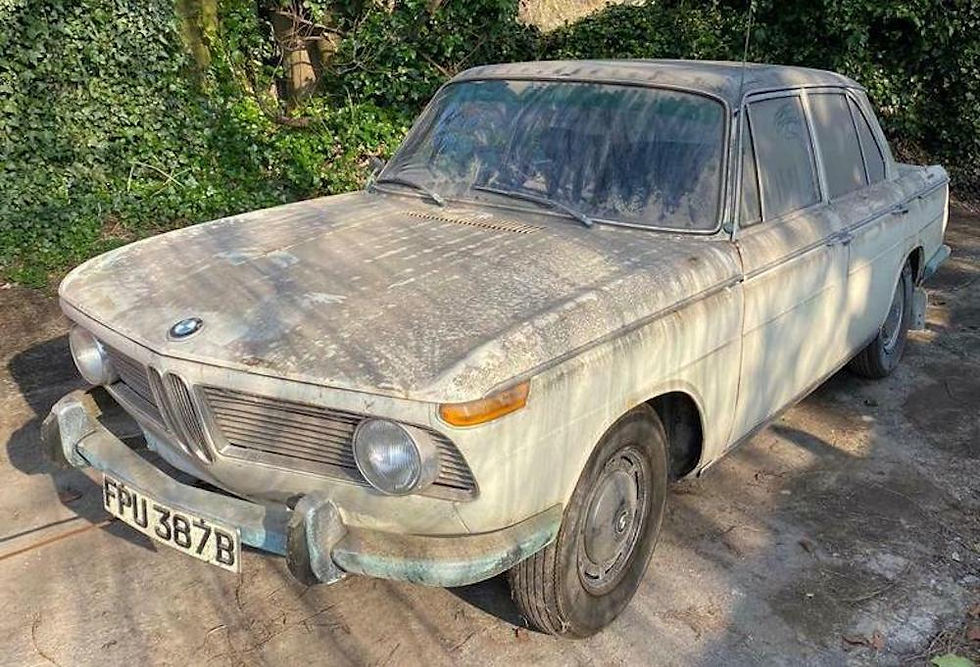
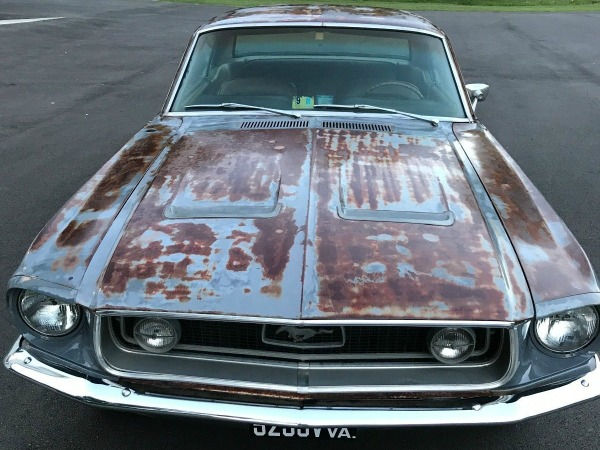
• Unrestored survivors with originality
Younger collectors appreciate authenticity more than rotisserie shine.A survivor car with patina and factory equipment often outperforms a hyper-restored car because it represents truth, not recreation.
Bottom line:Pre-’74 cars will still have value, but only the culturally meaningful, truly scarce, fully documented machines will keep climbing. Everything else becomes lifestyle collectibles, not investments.
2. The Cars That Will Soften as Older Buyers Age Out
Let’s be honest:For years, the market treated almost any muscle car or 1960s cruiser as an automatic value play. But that was driven by one demographic: Baby Boomers, the largest car-loving generation in history.
As they begin selling cars rather than buying them, market pressure increases.Which categories soften?
• Common muscle cars without special options
A base 350 Camaro or Mustang is cool, but there are thousands.Without a story or rarity, these cars become “nice to have,” not “must own.”
• Cars that require physical strength or mechanical tolerance, younger buyers don’t care for
Heavy clutch, heavy steering, drum brakes, carburetors, vapor lock…New collectors aren’t romantic about difficulty. They want analog, not exhausting.
• Big, floaty cruisers
Classic full-size sedans are becoming niche purchases. They’re too big for many garages, too slow for modern roads, and not tied to the memories of younger buyers.
• High-supply, low-uniqueness models
A car is not rare just because it’s old.High-volume classics will inevitably see declining demand unless they have standout features.
The shift is not emotional it’s mathematical.Fewer people want them → fewer bidders → downward pressure.
3. Why Younger Collectors Prefer 1980s–1990s Cars (and What That Means for Value)
This is where the excitement happens.
Younger generations (Millennials + late Gen X, and increasingly Gen Z) aren’t buying cars that were in black-and-white photos or cars their grandparents restored. They’re buying the machines that shaped their formative years:
• The poster cars
Ferrari F40Lamborghini DiabloPorsche 959Acura NSXNissan 300ZX Twin Turbo
• The video game icons (Gran Turismo, Need for Speed)
R32–R34 SkylineMk4 SupraRX-7 FDEvo / STIE30 and E36 BMW
• The analog European sleepers
Mercedes 190E 2.3–16Audi QuattrosVolvo 850R Saab Turbos
• Compact cars that feel alive
Lighter, tossable, manual gearboxes, turbocharged four and six cylinders, the exact opposite of 4,000-pound muscle cars.
• Cars with stance, persona, identity
1980s and 1990s design language is reconnecting with buyers who value:
retro styling
analog experiences
unique shapes, edges, and color palettes
This era is exploding because these buyers are entering their peak earning years right now.
When nostalgia + disposable income + limited supply intersect, prices spike.
We’re already seeing it.
4. How to Evaluate Value Going Forward (The New Rules)
Value used to follow one rule: What did Boomers want?
Value now follows a different rule: What will the next generation want in 10–20 years?
Here’s how smart buyers evaluate future value today:
• Cultural relevance > cubic inches
Did the car influence film, games, racing, or automotive history? If yes, it will age well.
• Generational attachment matters more than age
A 1995 Supra has more future collectors than a 1965 Galaxie. That’s not a debate, it’s demographics.
• Rarity + desirability = sustainable value
A rare car no one wants is still worthless. A desirable car in high supply becomes volatile. A desirable car in low supply is pure gold.
• Manual transmissions are the new collector currency
As automatics dominate, every manual 1980s–2000s becomes more special.
• Originality is king
Stock examples of 80s–90s cars are already skyrocketing because most were modified, crashed, or used up.
• Simplicity and analog feel are premiums in a digital age
The more computerized new cars become, the more emotional value older analog cars hold.
Conclusion: The Market Is Not Dying It’s Evolving
Collectors aren’t losing interest in classic cars.They’re simply shifting to the cars that shaped their world not their parents’.
1974 and older will always have icons, but the broad-base “automatic value” era is over.The future is:
lighter
smaller
more analog
more global
more tied to 80s/90s visual culture
more emotionally connected to the next wave of buyers
For enthusiasts and investors, this isn’t a warning; it’s a roadmap.
DCC -
Comments