
Am I About to Make a Mistake? Buying a Vintage car!
- Rob Barrett
- Jan 13
- 2 min read

If you’re asking yourself that question before buying a vintage car, that’s a good sign. It means you care. Most bad purchases don’t happen because someone didn’t know enough about cars. They happen because emotion got ahead of reality.
Vintage cars are emotional by design. The smell. The sound. The memory of seeing one as a kid. Sellers know this. Photos are taken at the right angles. Descriptions are written carefully. And the buyer starts filling in the gaps with hope. That’s usually where things go sideways.
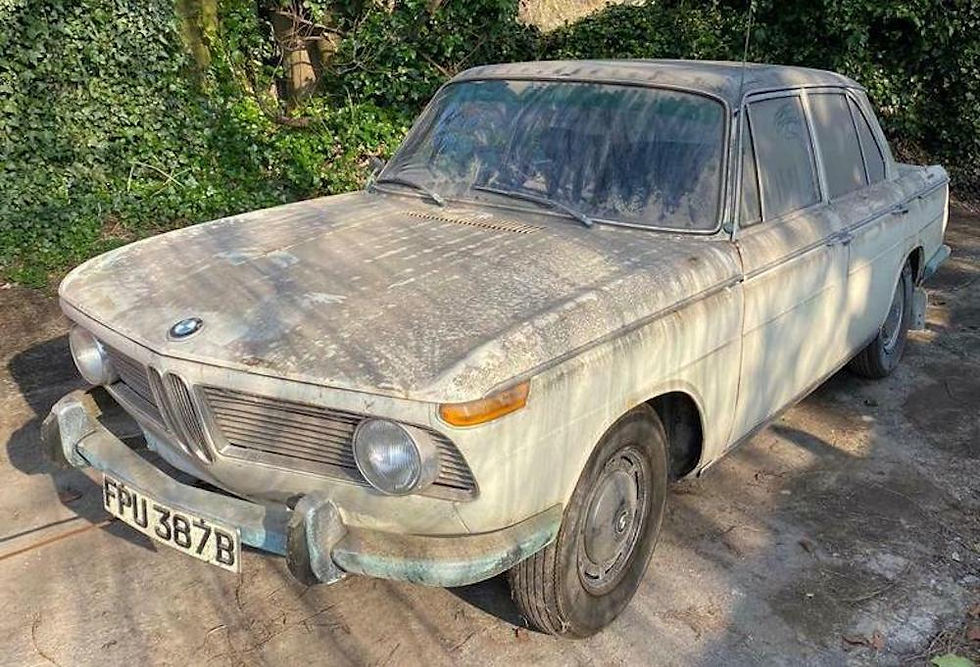
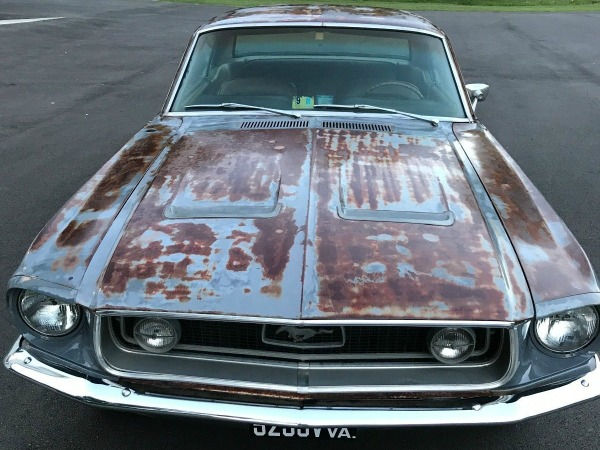
One of the biggest mistakes people make is confusing “running” with “sorted.” A car that starts, drives, and stops can still hide expensive problems. Rust in structural areas. Deferred maintenance. Incorrect repairs done years ago that now look normal. Mileage matters far less than history, but history is also the hardest thing to verify.
Another common mistake is overvaluing originality without understanding context. Original can be good. It can also mean original rubber, original wiring, and original problems. Some cars benefit from thoughtful updates. Others lose value when touched. Knowing the difference matters more than following blanket advice from forums or auction comments.
Price is another trap. A cheap vintage car is rarely cheap. It’s just affordable upfront. Storage, insurance, parts availability, and labor add up fast. The purchase price is often the smallest check you’ll write. The mistake isn’t buying an expensive car. The mistake is buying a car without understanding what it will cost you to live with it.
The smartest buyers slow down right before they commit. They ask uncomfortable questions. They get the car inspected by someone who has no emotional stake in the sale. They assume something is wrong until proven otherwise. That mindset doesn’t ruin the fun. It protects it.
If you’re asking whether you’re about to make a mistake, the answer isn’t always “yes.” But the question itself is the difference between a great ownership experience and a very expensive lesson.
Pre-Purchase Checklist (Blog Insert or Download Lead Magnet)
Before you buy, ask:
Do I understand where rust actually matters on this car?
Do I know what parts are hard or expensive to source?
Has this car been sitting, and for how long?
Who worked on it last, and why?
What does this car need immediately vs eventually?
Am I buying the car, or the story?
If any of those answers are fuzzy, pause!
Comments